Loading

John Lindquist created egghead.io, a developer education platform used by hundreds of thousands of working engineers. These days he’s building mega.dev, a hands-on program specifically for developers who want to do real work with AI agents, not just prototype them. What you’ll learn: Why Jev is a decision engine, not a chatbot, and what that distinction actually changes about how you build How John built a real-time voice to-do app that classifies and executes commands with no visible pause The data deduplication pattern that merges messy records in milliseconds using confidence scores Why Jev works best as a router, and how a single text input can navigate users deep into an app What a chess match between Jev and a low-reasoning LLM reveals about speed, cost, and when to use which The multi-step classification pattern John reaches for when one Jev pass isn’t enough Where Jev falls short, and when you should still reach for a full generative model — Brought to you by: Vanta —Automate compliance and simplify security — In this episode, we cover: (00:00) John Lindquist returns for Jev week (04:32) What Jev actually outputs (06:15) Demo: real-time voice to-do app (08:17) How sequential Jev calls chain together (10:38) Demo: plain English to function name (grocery cart) (11:50) Demo: data deduplication and record merging (13:45) Confidence scores and multi-model validation</p
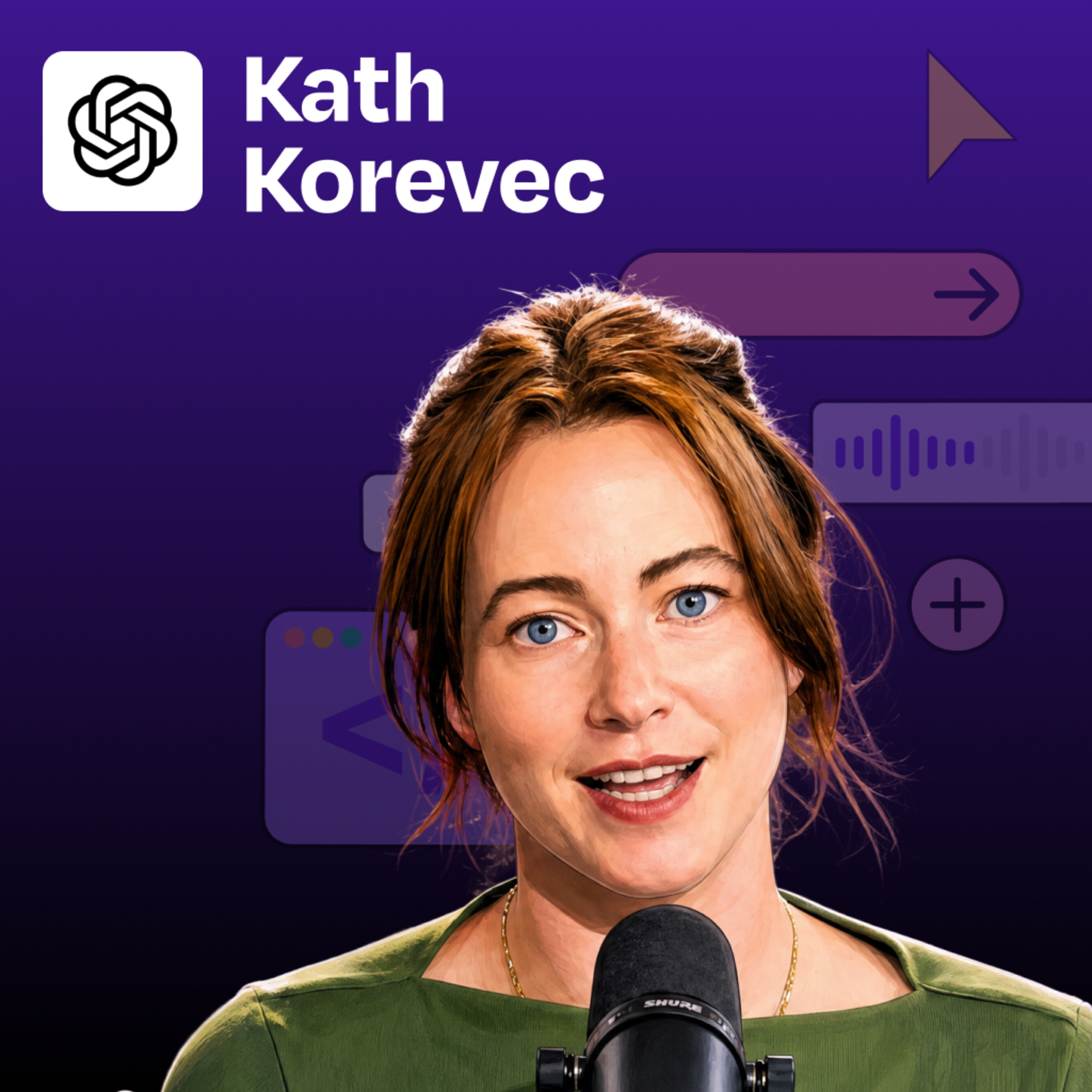
Episode page →Kath Korevec is a member of the Product staff at OpenAI working on Codex, and she spent over a year building and using ChatGPT Sites internally before its public launch. She’s been on the front lines of shipping Plugin Insights, MCP plugin hosting, and the connector ecosystem, which now includes around 60 integrations. What you’ll learn: What Plugin Insights actually does, and why it changes who can use a site The incident command site Kath built for her OpenAI team, and how it uses live Slack and Notion connectors The one phrase that tells Codex to wire up connectors for you The infrastructure layer inside Sites that most people haven’t touched yet How Kath fixed her Spotify after her kids wrecked it, using Reddit and computer use The skill distribution model behind her community dungeon crawler, and why it’s a new way to think about collaboration Why model speed is what actually determines how creative you get Where Kath draws a hard line on AI acting in her name — Brought to you by: Merge —Connective infrastructure for production AI Vanta —Automate compliance and simplify security — In this episode, we cover: (00:00) Welcome and intro (01:00) Sites: internal testing and use cases (05:53) Sites infrastructure (09:00) Kath’s favorite connectors (11:10) Unique ways to use Sites (12:28) Curating a custom Spotify playlist (15:50) Game design and development (25:42) Bringing inference into Sites: the widget experiment (30:00) Awesome Sites gallery (31:57) Kath’s prompting strategy (34:20) Wrap-up and how to find Kath — Tools referenced: • ChatGPT Sites: https://chatgpt.com/sites • OpenAI Codex: https://openai.com/codex — Other references: • OpenAI DevDay: https://openai.com/devday • Awesome Sites: https://awesomesites.ai — Where to find Kath Korevec: LinkedIn: https://www.linkedin.com/in/kathleensimpson/?isSelfProfile=false X: https://x.com/simpsoka — Where to find Claire Vo: ChatPRD: https://www.chatprd.ai/ Website: https://clairevo.com/ LinkedIn: https://www.linkedin
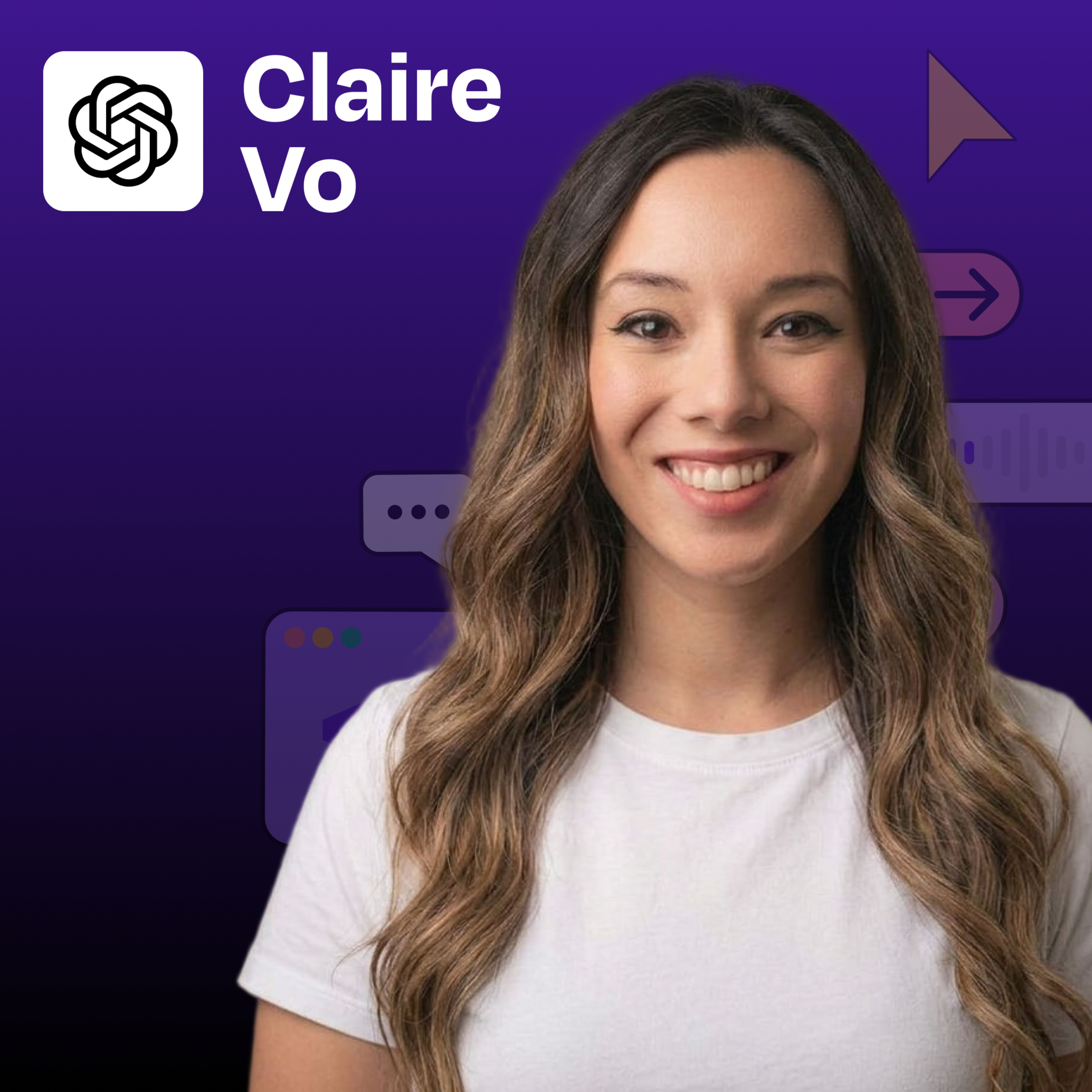
I spent the day at OpenAI’s DevDay in San Francisco, and I have good news and bad news: OpenAI released a lot of stuff. In this episode, I break down the announcements worth paying attention to - and show you what happened when I tested some of them early. We’ll meet my Dot, explore why Spaces and Sites could matter for how teams work, and get into the model and API updates I’m most excited about as a developer. I use the Decisions API to find podcast thumbnails where nobody looks awkward, build a collaborative sketchpad with Astra ultrafast, and let my kids redesign a 3D world in real time. That last experiment cost about $97. My wallet has thoughts. These are my early impressions: what’s promising, what still feels rough, and what I think you should try first. What you’ll learn: What OpenAI’s Dots can do, how I’ve been using mine, and why I’m waiting to give a full verdict Why Spaces might be one of the most underhyped announcements for collaboration between humans and agents How Sites with connectors and plugins could help teams share internal tools with the right data permissions Where GPT-6.1 Sol fits in my model stack—and why speed and cost matter What vision adds to the Decisions API, including my thumbnail-selection and hot dog demos What Astra ultrafast makes possible for interactive AI apps, from collaborative drawing to a changing 3D game Where the speed feels magical, where the experience still needs work, and what it costs — In this episode, we cover: (00:00) OpenAI DevDay recap—and pressing
Episode page →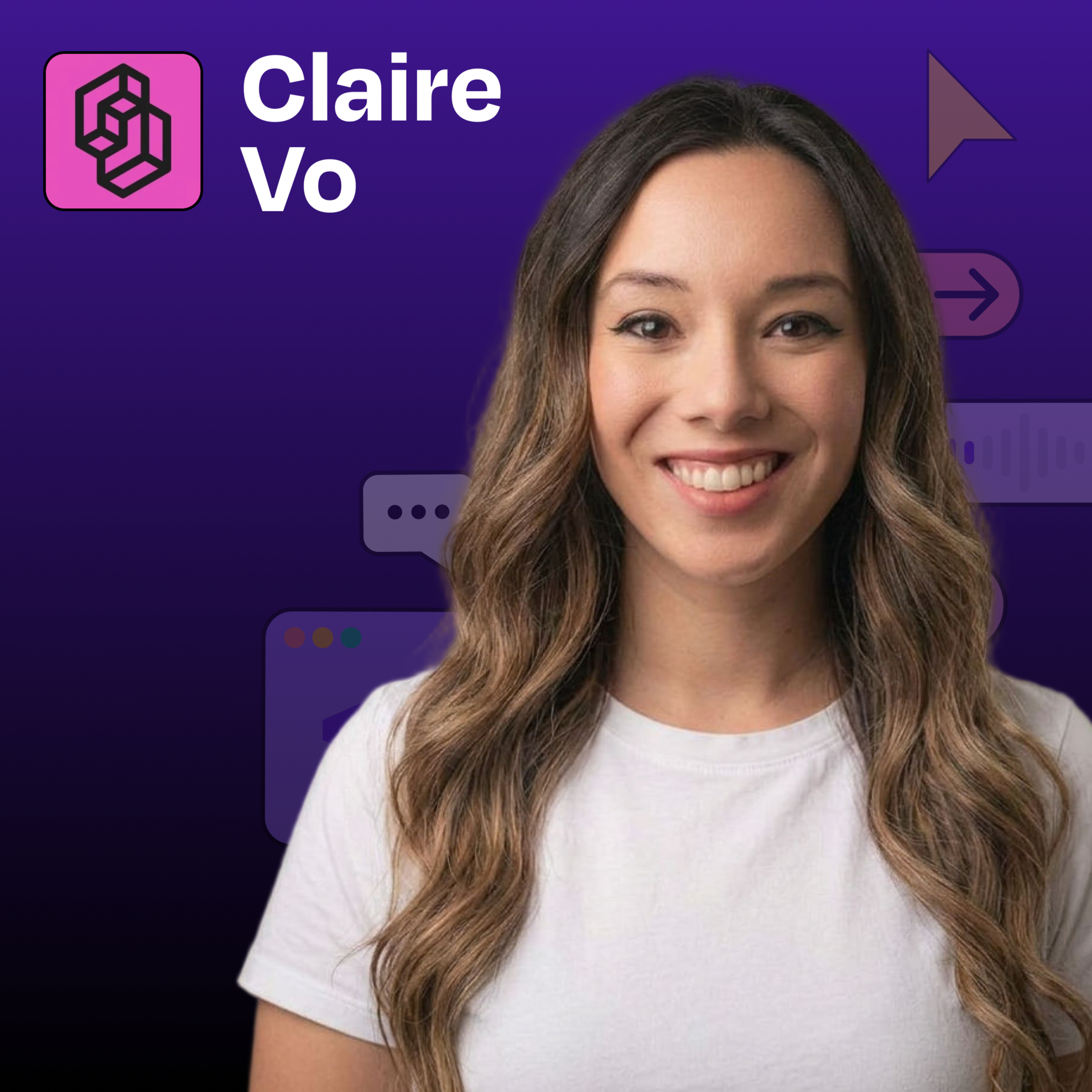
Jev is TypeSafe AI’s new decision model. It returns type-safe structured values (a choice, a score, a probability) instead of generated text, at 4 cents per million input tokens with no output charge. This week I ran it on five real projects: PR categorization, a meta-analysis of my own Claude and Codex sessions, Gmail triage, the ChatPRD product insights graph, and a live audience dashboard built from 4,500 YouTube comments. What you’ll learn: What makes Jev fundamentally different from every other model I’ve used How I analyzed 1,700 PRs for 9 cents and what I found out about where my engineering effort actually went The personal meta-analysis you can run on your own Claude and Codex sessions right now Why I stopped using Jev alone, and what I pair it with now How I turned 4,500 YouTube comments into a searchable audience dashboard for almost nothing The real-time app I built in an afternoon that shows something surprising about Jev’s speed Why Jev’s pricing model is different from any LLM I’ve used, and what it makes practical to build The ChatPRD product insights project: 1,100 signals, 200,000 classifications, and what it cost me — Brought to you by: OpenArt —An all-in-one AI creation platform for images, videos, music, audio, and more — In this episode, we cover: (00:00) Jev launch and what makes it different from every other model (02:49) Type-safe values e
Episode page →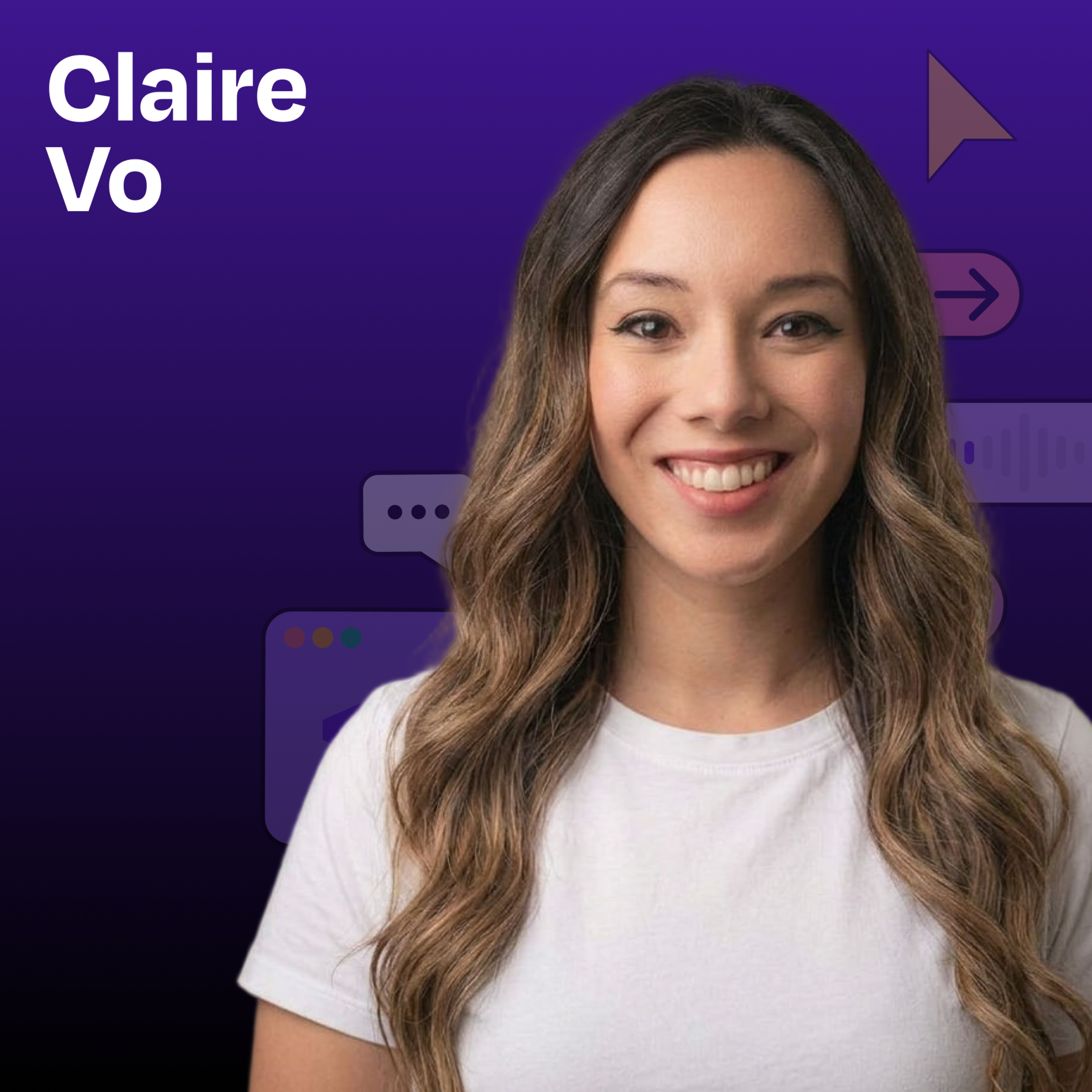
I got up early to record an Opus 5.5 review. Then Anthropic and OpenAI dropped new models on the same morning, and I decided to do something I’d never done before: take the How I AI bench live. I put GPT-6 Astra, GPT-6 Sol, Claude Opus 5.5, and more through the work I actually care about: emails, PRDs, frontend prototypes, backend work, long-running agents, SVGs, and video editing. I scored the outputs without knowing which model made them, so you get to watch me make predictions, change my mind, and reveal my own very inconsistent taste. Astra won my heart. Opus 5.5 won my week. Sol still has me split. There’s a creative result I got completely wrong, an LLM judge that disagreed with me, and a return to Barbie Bench: the 3D fashion game that keeps reminding me how far we have to go. The hands are tragic. AGI has not arrived. What you’ll learn: How I run the How I AI bench blind, and what gets an output a bad score before I even know which model made it Why Astra won my heart while Opus 5.5 might be overall strongest, especially for long-running agents and B2B frontend Where Sol still wins me over on clear writing, readable PRDs, and price The character SVG results that completely overturned my prediction about Anthropic What happened when I asked these models to edit video, and why I think skills explain part of the disappointment Why an LLM judge disagreed with my rankings, and what it was rewarding that I wasn’t — In this episode, we cover: (00:00) LIVE setup and new model launches (01:30) What’s new in Opus 5.5, Sol, and Luna (04:11) Guardrails, personality, and speed (09:00) The How I AI bench and blind e
Episode page →
I’ve been off Claude for months. Not because it got dumb, but because it got annoying. The rambling, the hedging, the preachy little disclaimers on tasks that didn’t need them. I moved most of my daily work to Codex and I didn’t miss it. Then Anthropic shipped Opus 5.5: 40% cheaper than Opus 5, faster, and with what they’re calling a fundamentally different alignment approach. I ran it for a week across real work, including four long-running agentic tasks, a full ChatPRD homepage redesign, an SVG benchmark, and one very firm refusal, and I’m ready to give you the honest verdict. There’s a lot to like. There are still two things that drive me a little crazy. And there’s one capability I genuinely wasn’t expecting. What you’ll learn: Why I walked away from Claude entirely, and what it took for me to come back The real cost math on Opus 5.5 and why pricing matters more for agentic work than single prompts What happened when I ran four long-running agentic tasks, including one that tried to manipulate Claude mid-run Why Opus 5.5 is now my go-to for frontend prototyping, and where it still lets me down The one capability I genuinely didn’t see coming, and no other model in my stack can match it The moment Opus 5.5 told me flat-out no, and what that says about where Anthropic’s safety posture actually lands in practice Where Codex still wins, and how I’m splitting my model stack after a full week of testing — In this episode: (00:00) Why I stopped using Claude (01:02) What Anthropic says Opus 5.5 is (01:54) Cost, speed, and benchmark overview (03:20) Safety, alignment, and the cybersecurity limit
Episode page →
Zach Lloyd is the co-founder and CEO of Warp, an AI-powered terminal and software factory platform used by tens of thousands of engineers. Before Warp, he spent nearly a decade at Google, including time as a principal engineer on Google Sheets. He built Warp from the ground up as a modern, AI-native alternative to legacy terminals, and the team has since expanded into software factories: a full cloud-based system that takes an idea in Slack all the way through to a merged PR. In this episode: Why a software factory is more than a coding agent The public Slack → Linear → GitHub → QA workflow Human interactions per PR as a signal of automation and throughput Why human review is still the bottleneck Scoring agent runs, finding failure modes, and self-improving agent workflows Replaying real tasks to choose model cost and quality tradeoffs CEO workflows with Figma MCP, Granola, and research agents — Brought to you by: DX —Engineering intelligence for the AI era OpenArt —An all-in-one AI creation platform for images, videos, music, audio, and more — In this episode, we cover: (00:00) Intro (02:35) Warp’s AI software factory, Wilson (09:23) Automatic factory trigger
Episode page →

 Latent Space: The AI Engineer Podcast
 The AI Daily Brief
 No Priors
 Dwarkesh Podcast
 The Cognitive RevolutionTraining Data