AI coding agents generate more code, but not more software
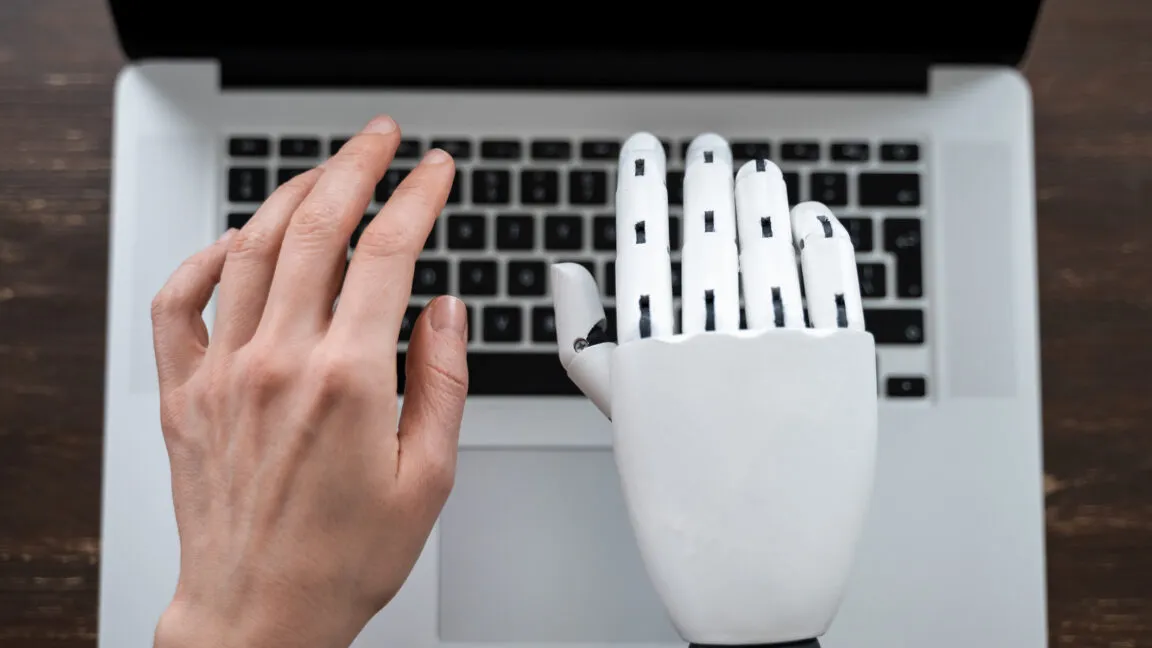
The underlying work is a Harvard working paper by Fiona Chen and James Stratton, using Jellyfish engineering data. It covers about 300 million work events, such as commits and pull requests, for more than 700,000 employees at over 700 software firms between 2021 and March 2026. After firms adopted coding agents, lines of code rose about 30%, commits about 20% and pull requests about 23%. The share of pull requests with changes requested nearly doubled, and comments per pull request rose 35%. The authors also could not attribute significant employment changes to AI. The paper separates assistants, which help finish code that people mainly write, from agents, which primarily write and submit code from prompts. The caveats are real. The data is observational, reported as firm-level averages, and ends in March 2026. It does not show that every team failed to benefit. By March 2026, about 95% of studied firms used coding agents and roughly 80% used some AI code review, yet agents wrote only about 10.8% of PRs and 23.3% of review comments. For AI founders, the product gap sits after code generation. Selling more output is weak if buyers' review queues absorb the gain. Tools that cut review load, such as verification, test generation and change summarization, address the measured constraint. Metrics like review latency and rework rate are likely to matter more to buyers than lines produced.