Neural networks are clean
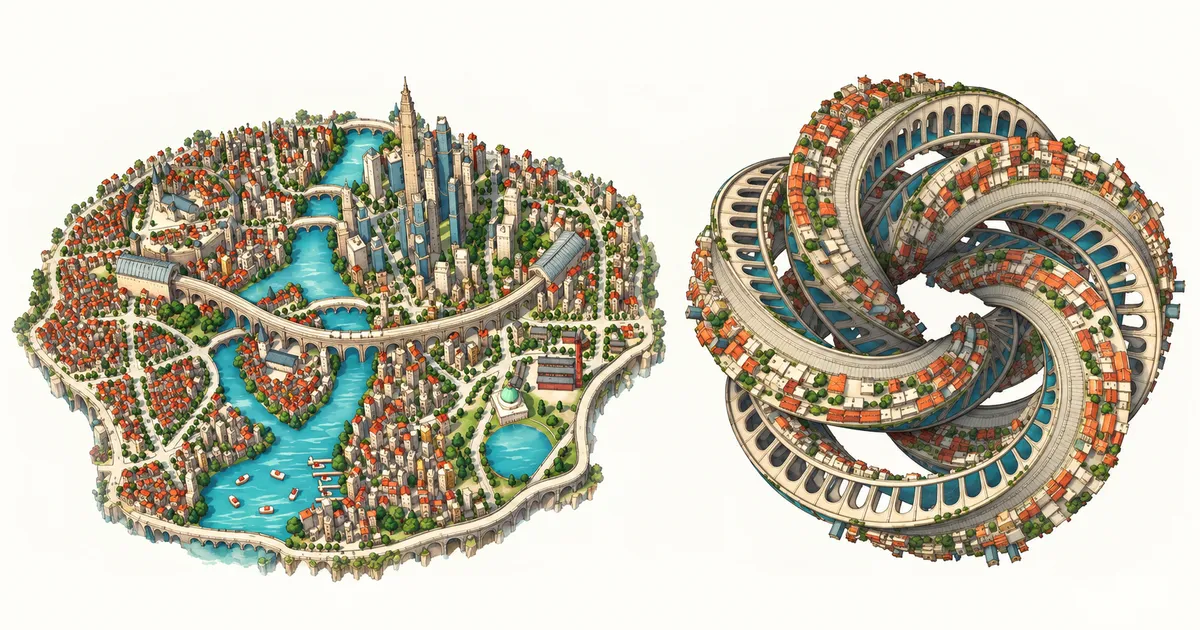
The essay was published October 15 by Nick Cammarata, a Goodfire interpretability researcher who previously worked at OpenAI. It is labeled a working hypothesis, and a companion technical paper has not yet appeared. In a preliminary audit of Qwen3-32B, about 90% of neuron poles have one main job, about 7% have two related jobs, and roughly 2-4% are not understood. He also reinterprets the classic InceptionV1 neuron that seemed to respond to both cats and cars as a detector of V-shaped structure, and he says the percentages depend on thresholds. The claim cuts against superposition, the theory that networks pack many unrelated features into shared neurons. That theory pushed the field toward unpacking neurons with sparse autoencoders first. Cammarata's 2023 OpenAI automated-interpretability effort found only about 2% of neurons legible, and he now attributes much of the apparent mixing to weak tools, limited data and fixable training issues. The essay says larger models up to trillions of parameters show similar results, but also that they "aren't close to solved." For AI founders, the practical question is whether interpretability tooling will work on neurons directly instead of through a second model. That could lower the cost of auditing, debugging and steering models. Goodfire sells such tooling, so the claim comes from an interested party and needs independent replication. Teams building on interpretability vendors should wait for the paper and outside checks.